
What Is the Purpose of Snacking?
In post-bariatric nutrition, snacks play an important role in maintaining stable blood sugar levels and supporting metabolism. By reducing hunger between main meals, snacks help prevent overeating and contribute to balanced energy levels throughout the day.
However, the goal of snacking should not only be to curb hunger — it must also aim to meet the body’s nutritional needs with high-quality, protein- and fiber-rich foods. This is especially important due to the limited stomach capacity after surgery.
How Does Surgery Affect Metabolism?
Procedures like sleeve gastrectomy, gastric bypass, and other bariatric surgeries reduce stomach size, limit food intake, and influence metabolism. These changes can affect energy expenditure and the levels of appetite-related hormones (such as ghrelin).
In this process, eating small but balanced meals regularly supports metabolic function. Snacks become crucial for stabilizing blood sugar and preventing muscle loss by providing additional protein.
What Should a Well-Timed Snack Look Like?
The timing of snacks in bariatric nutrition depends on the individual and their post-op recovery stage. Generally, it’s recommended not to go more than 2.5–3 hours between meals. A snack within this timeframe helps manage hunger effectively.
A proper bariatric snack should include:
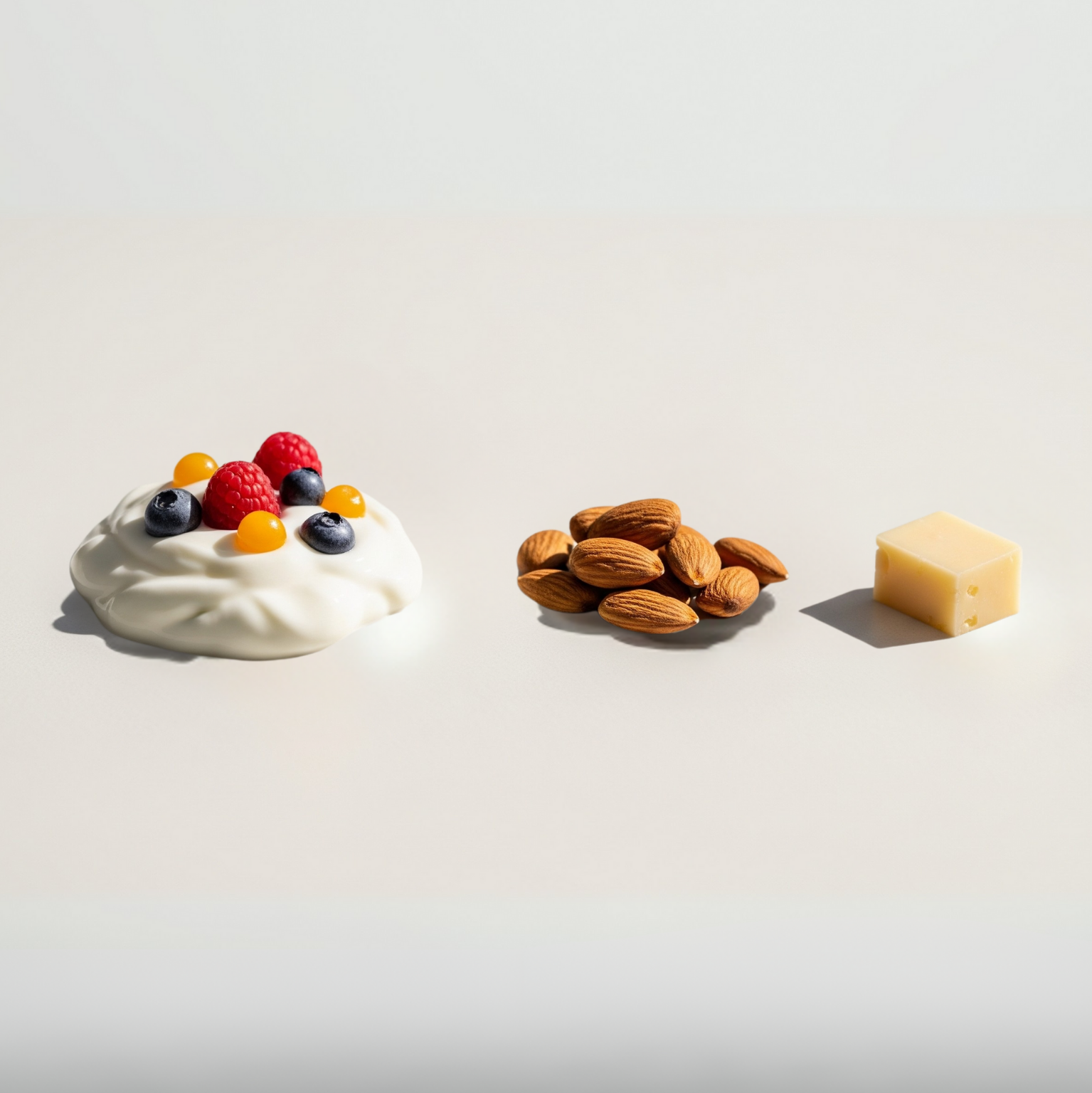
- High-protein items (e.g., yogurt, curd cheese, boiled egg)
- Fiber sources (fresh vegetables, fruit slices, small portions of oats)
- Low-sugar, healthy fats (nuts like almonds or walnuts)
For liquid snacks, opt for nutrient-dense smoothies that contain protein without added sugars.
Common Snacking Mistakes
Here are some frequent mistakes bariatric individuals make regarding snacks:
- Eating sugary and processed snacks: These raise and drop blood sugar rapidly, increasing weight gain and discomfort.
- Snacking too often or without control: Snacks should be portion-controlled and spaced appropriately for stomach capacity.
- Choosing carb-heavy snacks only: Lack of protein and fiber reduces satiety and may lead to muscle loss.
- Eating too much with liquids: Consuming solid and liquid foods together can cause early fullness and discomfort.
Protein-Based Snack Ideas
Protein should be the central element of any bariatric snack. Here are some accessible examples:
- Low-fat yogurt or kefir
- Curd cheese or low-sodium white cheese
- One boiled egg
- Small portions of grilled chicken or turkey
- Bariatric-friendly, sugar-free protein bars
- Strained cheese or ricotta
Protein helps maintain muscle mass and increases satiety — making it essential in between meals.
How to Avoid Sugary Snacks
Sugar cravings can be a real challenge for bariatric patients. Here are practical strategies to stay on track:
- Choose homemade, refined sugar-free dessert recipes
- Use low glycemic sweeteners like stevia or erythritol
- Practice portion control when consuming fruits
- Maintain stable blood sugar with regular protein and fiber intake
- Identify emotional triggers and apply mindful eating techniques
Staying Full with Fiber-Rich Snacks
Fiber slows digestion and increases the feeling of fullness. You can boost your fiber intake during snack time with:
- Raw vegetable slices (carrots, cucumbers, bell peppers)
- Small portions of unpeeled fruits (apples, pears)
- Whole, minimally processed grains (oats, chia seeds)
- Nuts and seeds (almonds, walnuts, flaxseed)
Fiber supports digestive health and helps prevent complications like constipation.
What to Watch Out for in Liquid Snacks
Hydration is key after bariatric surgery, but combining solid and liquid foods in the same meal can lead to discomfort. Keep these tips in mind:
- Opt for protein smoothies as a standalone snack
- Leave 30–60 minutes between liquids and solids
- Avoid sugars and additives in liquid snacks
- Use electrolyte or vitamin-enriched liquids responsibly and in balance
Should Snack Frequency Be Personalized?
Yes. Post-bariatric nutrition must be tailored to the individual. While some people thrive on three main meals with 1–2 snacks, others do well without any snacks at all.
What matters most:
- Maintaining blood sugar balance
- Sustaining satiety
- Preventing gastrointestinal discomfort
- Aligning with personal lifestyle and habits
With regular follow-up and professional support, the most suitable snack frequency can be determined.
Is a No-Snack Meal Plan Possible?
Some bariatric patients may manage with only main meals, especially in the early recovery phase. In that case:
- Ensure high-protein, nutrient-dense meals
- Be mindful of blood sugar fluctuations
- Avoid hunger spikes
- Follow a doctor- or dietitian-guided plan
However, in the long term, balanced eating with snacks generally provides better results for metabolic health and weight control.
Conclusion
When properly planned, snacks can play a crucial role in supporting metabolism, enhancing fullness, and preventing muscle loss in bariatric nutrition. But the content, frequency, and timing of snacks must be personalized.
Choose snacks high in protein and fiber, avoid sugars, and separate liquids and solids wisely. Always consult with a bariatric nutrition specialist to ensure your snack routine meets your specific needs.
