
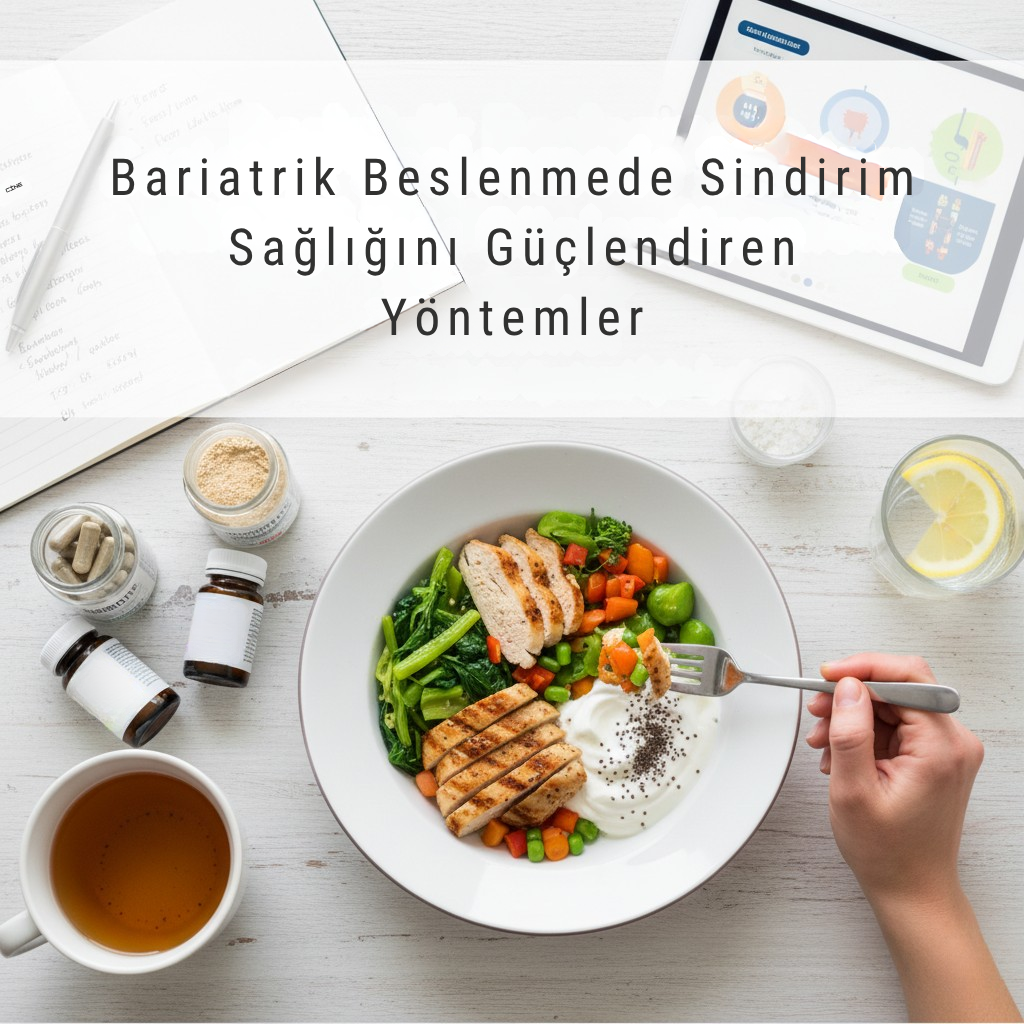
While bariatric surgery offers an effective solution in the fight against obesity, digestive health in bariatric nutrition becomes a primary concern during the post-operative period. Adaptation to this new era is critically important, especially for patients experiencing digestive problems after sleeve gastrectomy. Following operations like sleeve gastrectomy or gastric bypass, the digestive system begins to function completely differently.
The reduction in stomach capacity, restriction of food intake, and changes in absorption processes make it essential to protect digestive health after bariatric surgery. Focusing solely on weight loss during the post-operative period is not enough. Supporting digestive health both enhances quality of life and ensures long-term success.
The Effect of Probiotics and Prebiotics on the Gut Microbiome
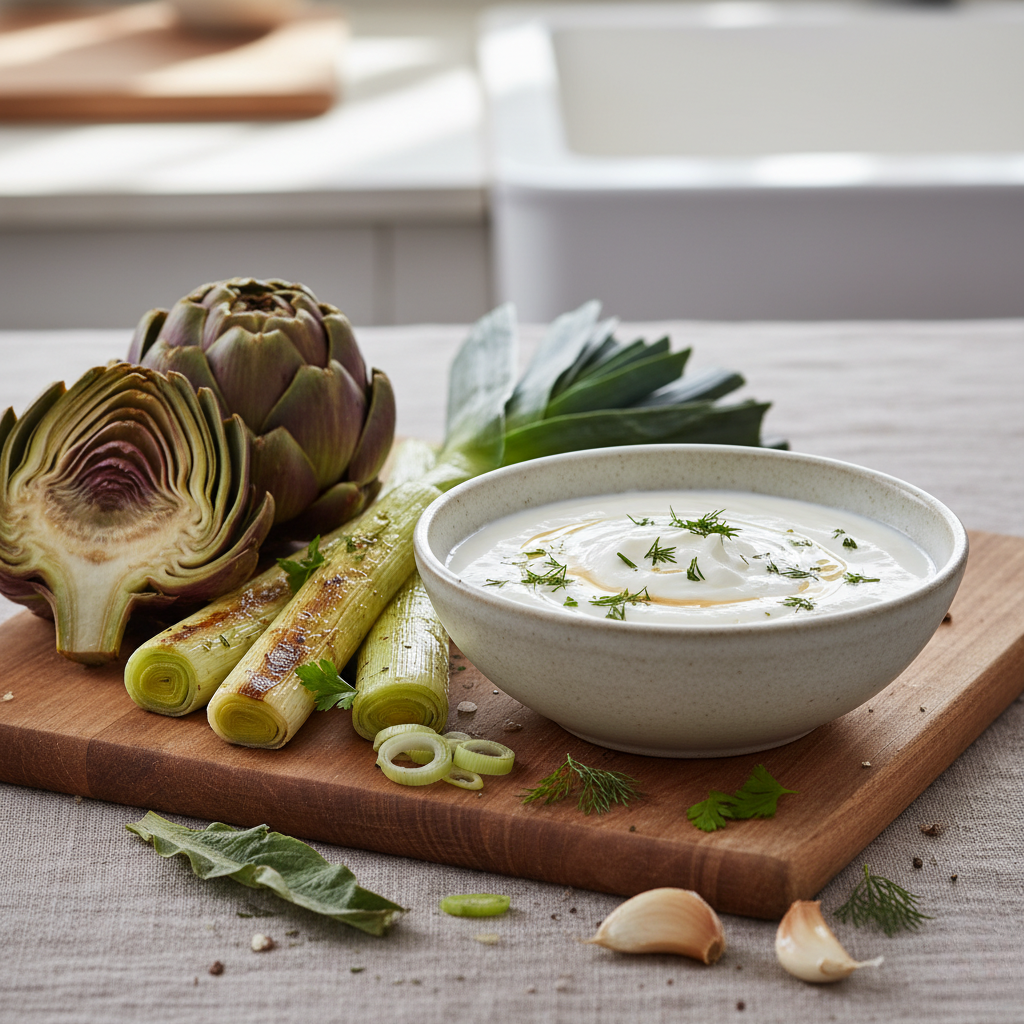
Probiotics refer to the beneficial bacteria living in our intestines. Yogurt, kefir, probiotic supplements, or fermented foods are sources of these friendly bacteria. Prebiotics, on the other hand, are food for these bacteria; meaning they enhance the effect of probiotics by nourishing the gut flora (now known as the gut microbiome). Onions, garlic, leeks, and artichokes are foods rich in prebiotics.
Changes in the gut flora can occur after bariatric surgery. Therefore:
- Regular consumption of probiotics balances the digestive system.
- Supplementing with prebiotics reduces constipation and gas problems.
- As gut health strengthens, the immune system is also positively affected.
Correct Consumption Strategies for Fibrous Foods
Fiber is essential for the digestive system; however, not every fiber source may be tolerated by the stomach in the same way after bariatric surgery. Managing fiber intake correctly in bariatric nutrition is the key to preventing constipation after weight-loss surgery while avoiding gas and bloating. Rushing fiber intake can worsen digestive problems rather than solving them.
Here’s what to pay attention to:
- Gradual Increase: Fiber intake in bariatric nutrition should be increased gradually according to the stages determined by your doctor after surgery.
- Soluble fiber (oats, apple): Absorbs water and takes on a gel consistency. It is digested more easily and does not tire the stomach. It prolongs the feeling of fullness.
- Insoluble fiber (bran, legume skins, some raw vegetables): Can cause gas and bloating when consumed in excess or with insufficient water.
Nutritional Techniques to Prevent Gas and Bloating
Gas and bloating are among the most common symptoms of indigestion experienced by patients in the post-operative period. During the process of adapting to the new stomach volume, the type of food consumed and its preparation method directly affect this situation. The following techniques can be applied to minimize gas complaints:
- Soaking legumes in water for at least 8-10 hours before boiling and, if possible, removing their skins reduces gas formation.
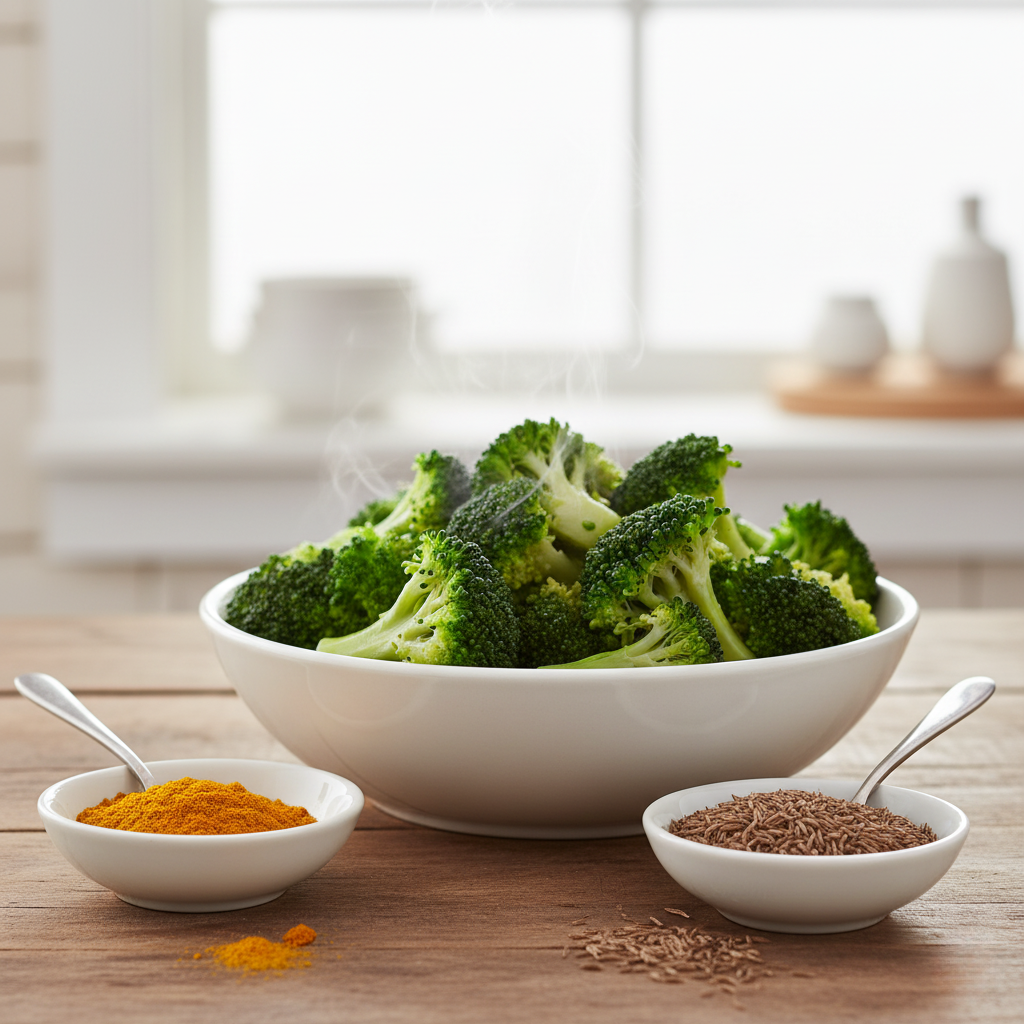
- Gas-producing vegetables like broccoli, cabbage, and cauliflower can be made lighter by steaming them briefly (without losing their crispness).
- Increasing water intake helps fiber move smoothly through the digestive tract and aids in expelling gas.
- Not consuming liquids during meals reduces stomach air.
Cooking Methods That Aid Digestion
The stomach becomes more sensitive and its digestive capacity decreases in the post-operative period. Therefore, cooking techniques are critically important for digestive health in bariatric nutrition. Incorrect cooking methods can increase the risk of dumping syndrome.
- Boiling and Steaming: Softens foods, makes them easier to digest, and preserves their nutritional value.
- Baking (Grilling): A healthy option when the amount of fat is kept low (e.g., by using parchment paper).
- Frying: Its oily structure makes digestion difficult, can trigger dumping syndrome, and should be strictly avoided.
You can check out our article on Cooking Techniques in Bariatric Nutrition.
Protein sources, especially meat, chicken, and fish, should be prepared in small pieces, at low heat, and for a long time (e.g., slow cooking in a pot). This ensures the protein is digested more easily.
You can check out our article on Plant-Based Protein Sources in Bariatric Nutrition.
The Importance of Eating Slowly and Chewing
Eating slowly after bariatric surgery is virtually a golden rule for digestion. Your stomach is no longer a grinder but a storage area; the job of grinding (mechanical digestion) is now entirely up to your teeth and the digestive enzymes in your mouth.
- Each bite should be chewed at least 20-30 times, until it reaches a puree consistency.
- Eating slowly does not strain the stomach and allows the feeling of fullness to reach the brain sooner.
- Eating quickly can lead to serious problems like stomach pain, cramps, vomiting (regurgitation), or reflux.
Herbal Teas That Support the Digestive System
Some herbal teas, consumed independently of meals, can soothe the digestive system:
- Chamomile tea: Soothes and calms the stomach.
- Peppermint tea: Effective in reducing gas and bloating.
- Ginger tea: Helps control nausea and speeds up digestion.
- Fennel tea: Alleviates stomach cramps and gas.
However, herbal teas should not be consumed with or immediately after meals. Also, they should be used in moderation (1-2 cups a day) as excessive consumption can irritate the stomach.
The Nutrition and Stress Relationship: Effects on Digestion
Digestion is not only a physical but also a psychological process. Adapting to new eating habits post-surgery can create stress. Stress and the digestive system are directly linked. During stressful periods, the “fight or flight” response is activated, which reduces blood flow to the digestive system. As a result, stomach acid increases, bowel movements become irregular, and indigestion occurs.
- Regular sleep,
- Breathing exercises,
- Meditation or light walks,
reduce the negative effects of stress on digestion.
Food Options That Strengthen Gut Flora
Digestive health in bariatric nutrition largely depends on the balance of the gut flora. To maintain this balance:
- Kefir, probiotic yogurt (homemade is preferable).
- Fermented vegetables (e.g., sauerkraut, kimchi – if tolerated).
- Whole grains and green leafy vegetables (to the extent tolerated).
When these foods are consumed regularly, the gut flora is balanced, and digestive problems decrease.
The Importance of Seeking Professional Support for Digestive Problems
Digestive problems after bariatric surgery vary from person to person. If you experience persistent constipation, severe pain, uncontrollable reflux, or vitamin-mineral deficiencies, you must seek expert support.
You can check out our article on Vitamin and Mineral Supplements After Bariatric Surgery.
- Psychological Support: Helps in adopting eating habits more easily and resolving stress-related digestive issues.
- Bariatric Dietitian: Adjusts the nutrition plan specifically for you according to your tolerance.
- Doctor (Surgeon): Can apply medical treatment or digestive enzyme supplements if necessary.
Conclusion
Digestive health in bariatric nutrition is one of the most critical elements of the post-operative process. Many factors, from probiotics and fibrous foods to correct cooking methods and slow eating habits, positively influence this process. It should not be forgotten that managing digestive problems after sleeve gastrectomy requires not just dietary changes, but a holistic post-bariatric surgery nutritional approach. With the right strategies, your digestive system is protected, and long-term weight control and a high quality of life are achieved.
Frequently Asked Questions (FAQ)
Q 1: Why does reflux (heartburn) occur after bariatric surgery, and how can it be prevented?
A: Changes in the stomach’s structure after surgery can cause reflux. Eating too quickly, keeping portions large, and consuming fatty, spicy foods and caffeine can trigger it. Reflux complaints can be reduced by eating slowly, chewing well, opting for small portions, and sitting upright for at least 1 hour after eating.
Q 2: Why does consuming liquids with meals negatively affect my digestion?
A: Your small stomach volume cannot handle both solids and liquids at the same time. Drinking liquids with meals fills the stomach quickly, prevents food from staying in the stomach long enough (pushing it rapidly into the intestine), and dilutes the stomach acids needed to start digestion. This situation leads to both digestive problems and malnutrition. Liquids should be consumed 30 minutes before or 30 minutes after meals.
Q 3: When can I start consuming raw vegetables and salads after surgery?
A: Raw vegetables contain a high amount of insoluble fiber and are difficult to digest. They are generally not recommended for the first 3-6 months after surgery (or after the puree and soft food stages determined by your dietitian are completed). Once your digestive system has strengthened, they can be added to the diet gradually, provided they are chewed very well.
Q 4: I have difficulty digesting tough proteins like red meat, what should I do?
A: This is a very common situation. Red meat is difficult to digest. To make meat digestible, choose it in ground form (e.g., meatballs) or very slow-cooked (moist) forms (e.g., boiled, stew). Avoid grilled or dry meats. Also, make sure you chew every bite until it becomes a puree.
Q 5: Is it normal to develop lactose intolerance after bariatric surgery?
A: Yes, some patients may develop temporary or permanent lactose intolerance (inability to digest milk sugar) after surgery. If milk causes gas, bloating, or diarrhea, you should opt for lactose-free milk/yogurt/cheese or try consuming kefir (in which lactose is broken down) as a probiotic source.
Q 6: How does eating small, frequent meals (portion control) affect my digestive health?
A: Your stomach is now very small. Eating a large portion at one time puts excessive pressure on the stomach, causing pain, vomiting, and indigestion. Eating small, frequent meals, such as 3 main and 3 snack meals a day, allows your stomach to process food comfortably, ensures digestive enzymes are sufficient, and keeps your blood sugar stable.
