

Bariatric surgery is a powerful tool in the fight against obesity; however, this surgery is not a finish line, but the starting point of a new, healthy life. While the rapid weight loss in the first few months after a gastric sleeve or other bariatric operations is motivating, the real success is maintaining these gains and sustaining lifelong health after bariatric surgery. This process requires permanently changing not only the size of your stomach but also your eating habits, lifestyle, and psychological approach to food.
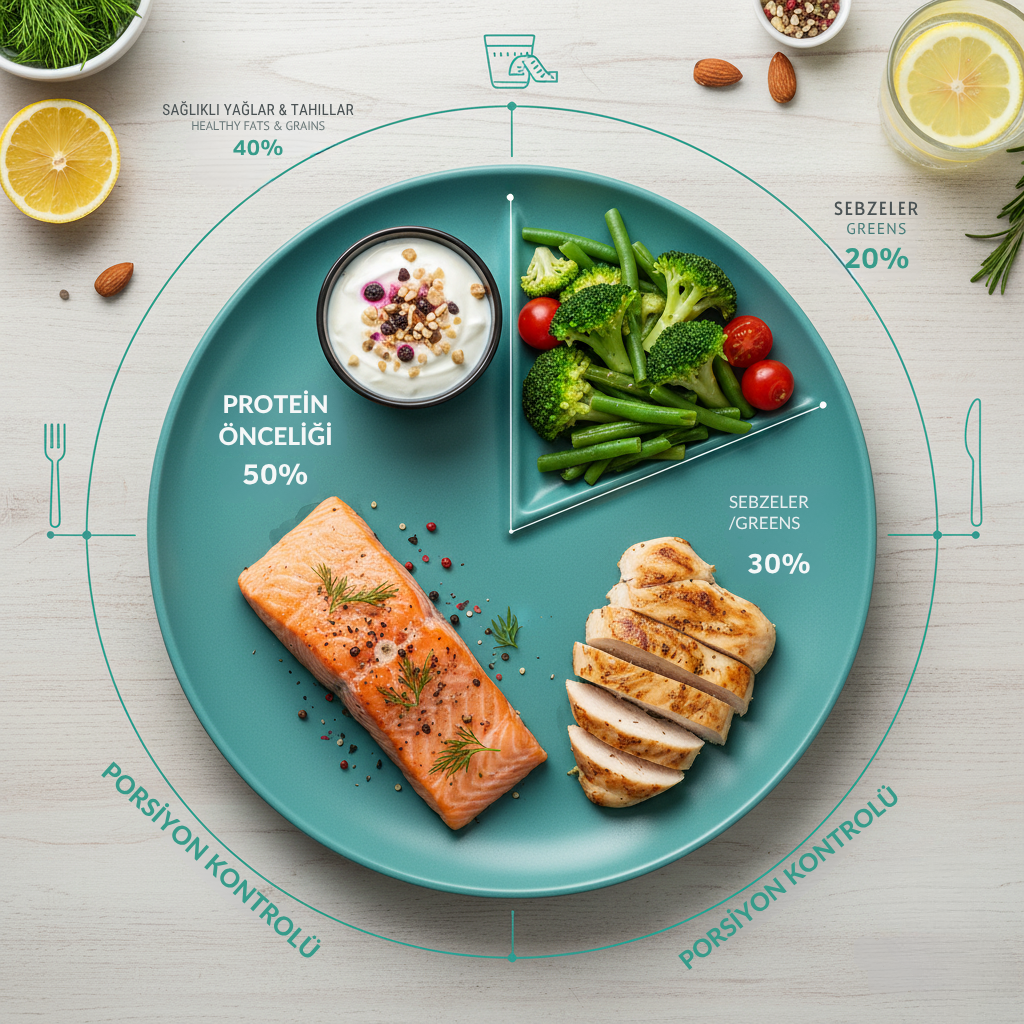
5 Tips for Maintaining Your Post-Surgery Nutritional Routine
The strict rules you followed in the early post-operative period may relax over time. However, for long-term success, it is essential to turn some basic principles into a lifestyle.
1. Protein is Always the Priority: At every meal, consume your protein source first (meat, chicken, fish, eggs, cheese, legumes). Protein preserves your muscle mass, supports your metabolism, and most importantly, prolongs the feeling of fullness.
2. Be Conscious of Portion Control: Although your stomach may stretch slightly over time, it will never return to its original volume. Take care to keep your portions small (usually the size of a saucer or a small bowl).
3. Eat Slowly, Chew Thoroughly: It takes about 20 minutes for the brain to receive the fullness signal. Eating quickly both strains your stomach’s capacity and causes you to overeat before you realize you are full. Chewing each bite at least 20-30 times aids digestion.
4. Never Abandon the Liquid-Solid Separation: Stop drinking liquids 30 minutes before and 30 minutes after meals. Consuming liquids with meals leads to rapid stomach emptying (risk of Dumping Syndrome) and inadequate nutrient absorption.
5. Planned Meals, Not “Grazing”: Plan 3 main meals and 2-3 snacks per day. Snacking throughout the day (grazing) makes it difficult to track calories and hinders weight control by causing constant insulin release.
You can check out our Italian Omelet: Frittata recipe.
How to Establish a Carbohydrate and Fat Balance?
While protein is the focus after surgery, your body also needs healthy fats and complex carbohydrates for energy. The important thing is to choose the right types.
Healthy Fats and Complex Carbohydrates
Avoid simple carbohydrates (white flour, sugar, packaged foods) and processed fats (trans fats, margarine). These provide “empty calories” and can also trigger Dumping Syndrome.
- Healthy Fat Sources: Avocado, olive oil, raw nuts (walnuts, almonds – paying attention to portions), and fatty fish (like salmon).
- Complex Carbohydrates: Whole grains (quinoa, buckwheat, oatmeal – according to tolerance) and non-starchy vegetables (broccoli, cauliflower, spinach, zucchini).
These foods contain fiber and keep your blood sugar balanced. A balanced plate should consist primarily of protein, followed by healthy fats, and finally, a small amount of complex carbohydrates.
The Importance of Micronutrients in Bariatric Nutrition
One of the most critical issues in post-bariatric surgery health management is micronutrients. Micronutrients are the vitamins and minerals the body needs for basic functions.
Why Do Micronutrient Deficiencies Occur?
There are two main reasons for micronutrient deficiency after surgery:
- Reduced Food Intake: Because portions are smaller, the total amount of vitamins and minerals obtained from food decreases.
- Malabsorption: In procedures like Gastric Bypass, a part of the intestine where nutrients are absorbed is bypassed. In gastric sleeve surgery, although absorption is not impaired, reduced stomach acid can affect B12 and iron absorption.
In the long term, these deficiencies can lead to anemia, osteoporosis (bone loss), fatigue, and serious neurological problems.

Which Vitamin Supplements Are Necessary in the Long Term?
The only way to prevent micronutrient deficiencies is to use vitamin and mineral supplements regularly. These supplements should be formulated specifically for the needs of bariatric patients, different from standard multivitamins.
The Must-Have Supplements
Although supplement needs vary by individual and surgery type, the following supplements are generally mandatory long-term:
- Bariatric Multivitamin: Contains high doses of B vitamins, iron, and zinc.
- Calcium and Vitamin D: Critical for bone health. It is often recommended to be taken separately from the multivitamin, divided into 2-3 doses per day (for absorption).
- Vitamin B12: Often needs to be taken as a sublingual (under the tongue) tablet, spray, or monthly injection.
- Iron: Deficiency is common, especially in women and bypass patients, and is taken additionally if necessary.
Remember: Never decide on your own which supplements to take or how much. You must follow the recommendations of your doctor and dietitian based on regular blood tests.

The Combined Role of Exercise and Nutrition
In long-term weight management, diet alone is not enough. Exercise is an indispensable part of this equation.
The Effect of Exercise on Metabolism
When losing weight, the body loses not only fat but also muscle. Muscle loss causes your metabolic rate to drop. This makes weight loss more difficult later and prolongs “plateau” periods.
- Strength (Resistance) Exercises: Lifting weights or doing bodyweight exercises preserves and increases muscle mass. Increased muscle mass allows you to burn more calories even at rest.
- Cardio Exercises: Walking, running, cycling, or swimming supports heart health and aids in calorie burning.
Nutrition and exercise work in synergy: The protein you consume repairs and strengthens your muscles in conjunction with exercise. This is the most effective way to achieve and maintain your health goals after bariatric surgery.
You can check out our article on Skin Sagging After Bariatric Surgery.
What Foods Support Digestive Health?
Digestive problems such as constipation, gas, or bloating are common after surgery. You can take these steps to support your digestive health:
- Adequate Fluid Intake: Drink at least 1.5 – 2 liters of water daily (adhering to the liquid-solid separation).
- Fiber Intake (With Caution): Fiber is necessary for bowel movements. However, it can be difficult to tolerate in the post-operative period. Try to get fiber from well-cooked vegetables, avocado, or small amounts of legumes (pureed) according to your tolerance.
- Probiotics: Probiotic sources like yogurt and kefir, or probiotic supplements recommended by your dietitian, can help balance your gut flora.
The Effect of Cooking Methods in Bariatric Nutrition
How you cook your food is as important as what you eat. Wrong cooking methods can turn a healthy food into something difficult to digest and high in calories.
- Avoid: Frying, sautéing (in lots of oil), breading (coating in flour and breadcrumbs).
- Prefer:
- Grilling
- Baking (using parchment paper)
- Steaming (especially for vegetables)
- Boiling or poaching (in a little water)
These methods preserve the food’s nutritional value, prevent extra fat intake, and make the food easier for your stomach to tolerate.

Methods to Get Rid of Emotional Eating Habits
Health after bariatric surgery is not just physical; it’s psychological. For many people, food is an escape from stress, a source of happiness, or a way to relieve boredom. The surgery shrinks your stomach, but it doesn’t automatically erase these habits from your mind.
Identify Triggers and Find Replacements
To cope with emotional eating, you must first recognize the emotions that push you to eat (stress, sadness, loneliness, boredom). When you find yourself in the kitchen even though you’re not hungry, stop and ask, “What am I feeling right now?” Don’t try to solve a problem with food that food cannot fix. Develop new coping mechanisms to replace eating: listening to music, going for a walk, calling a friend, meditating, or taking up a hobby.
Don’t Hesitate to Get Professional Support
If you can’t overcome emotional eating behaviors on your own, seeking support from a psychologist or a therapist specializing in eating disorders is vital for your long-term success.
The Role of Dietitian Support in Long-Term Weight Management
The thought, “I’ve had surgery, I don’t need a dietitian anymore,” is one of the biggest mistakes you can make. The bariatric dietitian is your guide on this journey.
- The First Year: They guide you through the nutritional stages and manage your tolerance.
- The Following Years: They readjust your nutrition when your weight loss slows (plateau), interpret your vitamin deficiencies based on tests, and develop strategies to prevent weight regain.
Dietitian support is a safety net that brings you back on track when you stray from your goals.
Ways to Increase Energy Levels with Bariatric Nutrition
Fatigue and weakness can be experienced, especially due to low calorie intake. To increase your energy:
- Hydration: Dehydration is the number one enemy of energy. Carry your water with you at all times.
- Quality Calories: Focus on nutritious calories (protein, healthy fats) instead of “empty” calories (like sugar).
- Vitamin Supplements: B12 and iron deficiencies, in particular, are direct causes of fatigue. Don’t skip your supplements.
- Exercise: Although it may sound contradictory, regular exercise increases your body’s energy production capacity.
- Sleep: Quality and adequate night’s sleep are essential for hormonal balance and energy renewal.
The Golden Rule for Long-Term Success: Consistency
Health after bariatric surgery is a marathon, not a sprint. Some days you may struggle, you may slip back into old habits. The important thing is to return to your healthy routines the next day. Consistency is more valuable than perfection.
“If you need a comprehensive resource to guide you on this journey, you can check out our book, ‘Bariatric Manifesto‘.”
Frequently Asked Questions (FAQ)
Q1: Do I have to be on a diet for life after bariatric surgery?
A: No. It is more accurate to say “healthy eating lifestyle” instead of “diet.” You need to establish a permanent eating pattern based on protein priority, portion control, and nutritious foods, not a restrictive diet.
Q2: What should I do if I experience weight regain years after surgery?
A: First, don’t panic. Weight regain can happen. Contact your dietitian and surgical team immediately. It is often caused by deviations in eating habits (e.g., stopping the liquid-solid separation, losing protein priority). It is possible to reverse the process by returning to the basic rules.
Q3: I have difficulty eating in social settings and restaurants. How can I cope?
A: Review the menu of the place you are going to beforehand. Focus on protein-heavy options (e.g., grilled meat/fish and salad). Ask for your meal on a small plate or eat only a portion of the standard serving. Briefly explaining the situation to those around you (if you feel comfortable) or saying, “I have a sensitive stomach, I can only eat small amounts,” is usually sufficient.
Q4: How much water should I drink per day?
A: The goal is at least 1.5 – 2 liters of water or non-caloric fluids per day. However, you must do this by spreading it out, 30 minutes before and 30 minutes after meals. Never consume a large amount of liquid at one time.
Q5: What foods should I permanently stay away from?
A: Sugary and carbonated drinks (cola, soda, etc.), alcohol (due to high calories and absorption issues), very greasy fried foods, and processed packaged foods (chips, biscuits) make weight control difficult and can lead to severe digestive problems (Dumping Syndrome). It is best to stay away from these foods permanently.
Q6: When can I stop taking vitamin supplements?
A: Vitamin and mineral supplementation is important after bariatric surgery (especially in malabsorptive procedures). Due to decreased food intake and/or impaired absorption, it can be difficult to get enough micronutrients from food. Therefore, supplements must be used regularly as recommended by your doctor/dietitian.
