
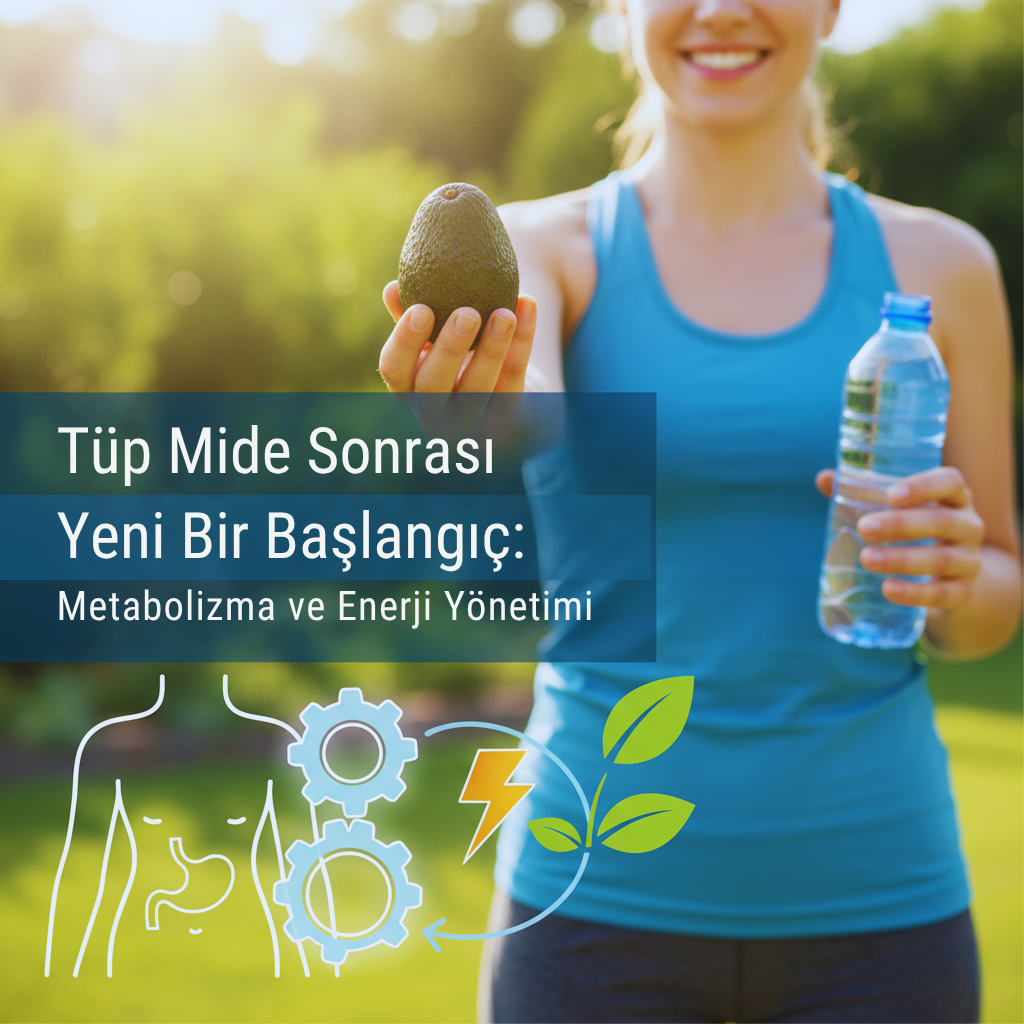
Gastric sleeve surgery is a powerful step in the fight against obesity. However, success in this new chapter depends not only on the reduced stomach size but also on how well your body adapts to its new metabolic balance. Despite reduced food intake, maintaining high energy levels, preserving muscle mass, and stimulating metabolism are key to achieving lasting results.
Your Body’s New Rules: Post-Surgery Metabolic Changes
Stomach reduction surgery triggers major changes in how your body functions. Understanding this process helps you manage it more effectively.
Here are the three main factors influencing metabolic adaptation:
- Reduced Stomach Capacity: Leads to lower food and calorie intake, triggering weight loss.
- Hormonal Shifts: The hunger hormone ghrelin decreases, while leptin, the satiety hormone, becomes more dominant — making appetite control easier.
- Metabolic Rate Adjustment: During the initial rapid weight loss phase, your body may slightly slow down energy expenditure as a protective response.
The Dual Impact of Rapid Weight Loss on Metabolism
Rapid weight loss can boost motivation but also poses challenges for metabolism.
- Positive Effects: As body fat decreases, insulin resistance improves, blood sugar stabilizes, and cardiovascular health benefits.
- Points to Manage: Your body may respond to fast changes with a “metabolic plateau.” Combined with low protein intake, this can increase muscle loss and further slow metabolism.
Ideal Post-Surgery Nutrition: Foods That Support Metabolism
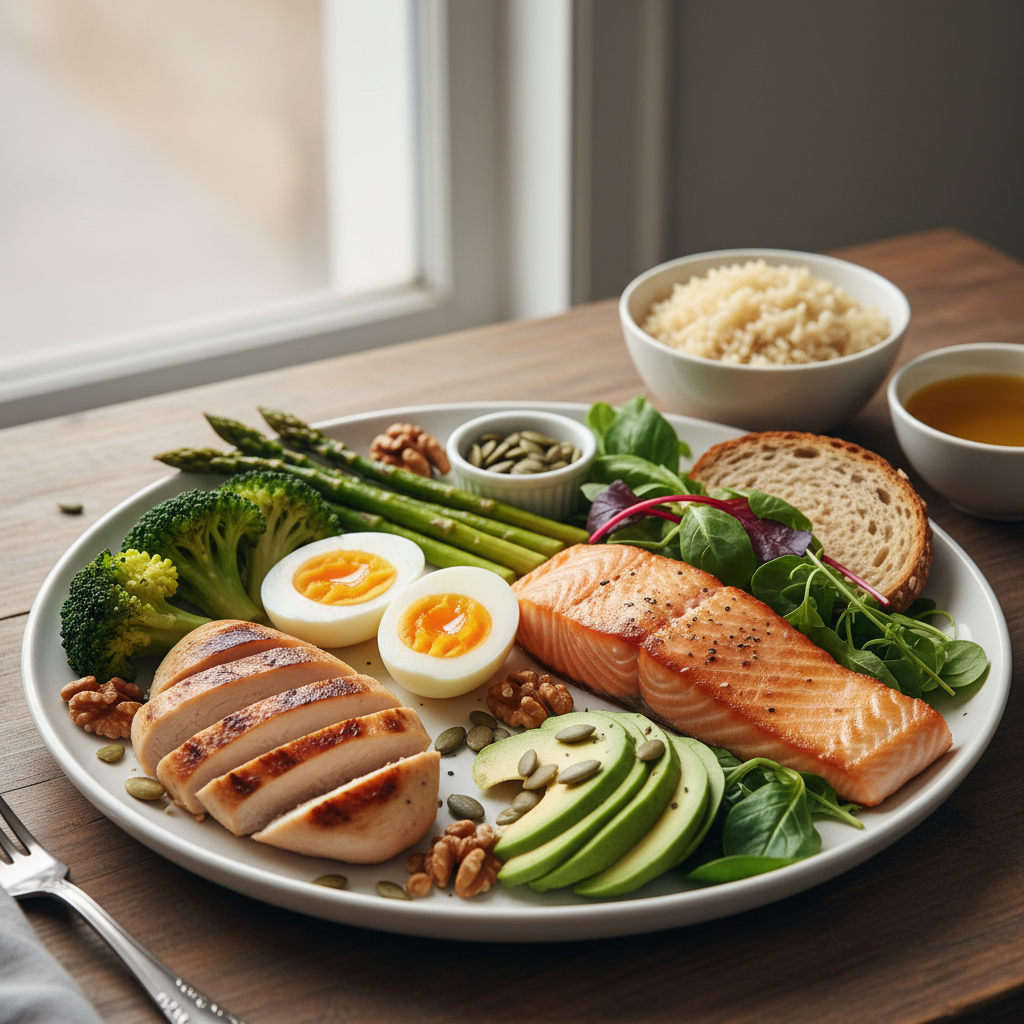
Smart food choices are your metabolism’s greatest ally. Adding the right foods to your meal plan boosts energy levels and supports fat burning.
- Key Micronutrients: B vitamins and iron play crucial roles in energy production.
- High-Quality Proteins: Chicken, fish, eggs, yogurt, cottage cheese.
- Fiber-Rich Carbohydrates: Whole grains, legumes, vegetables.
- Healthy Fats: Avocado, olive oil, almonds, walnuts.
“How Can I Overcome Low Energy After Surgery?”
Feeling tired in the first few months is common — but manageable. Here’s how to maintain energy balance throughout the day:
- Eat small, frequent meals (3 main + 2–3 snacks).
- Include protein in every meal.
- Stay hydrated with at least 1.5–2 liters of water daily.
- If fatigue persists, consult your dietitian to adjust your nutrition plan.
The Hidden Power of Snacks: Keeping Your Metabolism Active
Snacks help sustain metabolism and support steady weight loss. Long fasting periods can slow down energy expenditure, while balanced snacks prevent blood sugar dips and reduce overeating.
Protein-based options such as yogurt, a handful of raw almonds, or a boiled egg are ideal choices.
The Secret to Preventing Muscle Loss: Protein
Adequate protein intake is essential for post-surgery success.
Protein digestion requires more energy than carbs or fats — a phenomenon known as the thermic effect of food — which naturally boosts metabolism.
Proper protein intake protects muscle mass, enabling your body to burn more calories even at rest.
The Most Effective Way to Ignite Your Metabolism: Exercise
No matter how well you eat, it’s hard to revive a slowed metabolism without physical activity. Exercise boosts metabolic rate by increasing muscle mass.
- Start: Begin brisk walks with your doctor’s approval.
- Build Strength: Add resistance and strength training over time to protect and grow muscles.
- Stay Consistent: Regular activity helps you overcome weight-loss plateaus more easily.
When Weight Loss Stops: How to Overcome the Plateau Phase
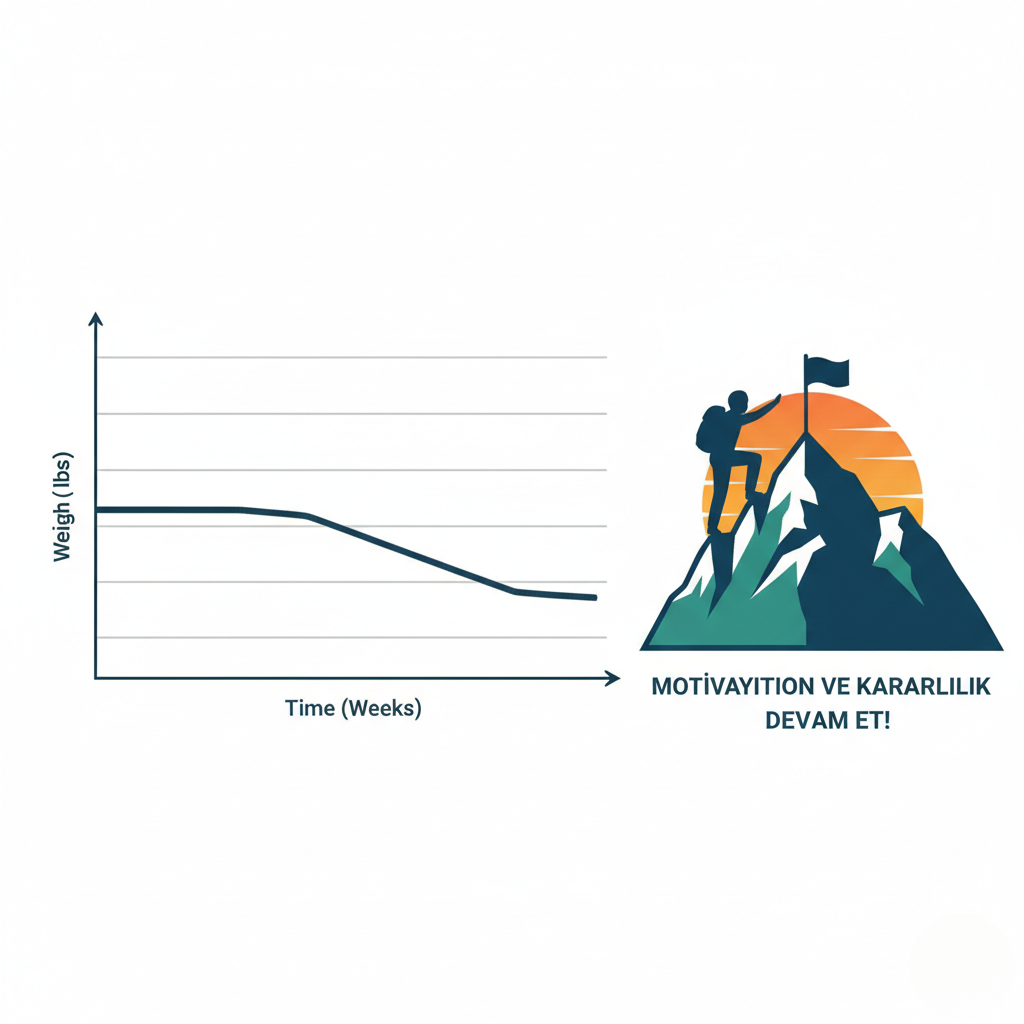
A weight-loss plateau is your body’s natural adaptation to a new weight. To move past it:
- Analyze: Reassess calorie intake and macronutrient balance with your dietitian.
- Increase Intensity: Extend or slightly intensify your workouts.
- Break Routine: Try new exercises or food combinations to challenge your body.
- Stay Patient: Remember that this phase is normal — don’t lose motivation.
Frequently Asked Questions (FAQ)
Q1: My metabolism slowed after surgery. Is this normal?
A: Yes, it’s a normal and expected response. The body slows its metabolic rate as a defense mechanism against lower calorie intake. With proper nutrition and exercise, metabolism can be reactivated.
Q2: I feel tired and weak all the time. How can I fix this?
A: Low energy often results from insufficient water or protein intake. Ensure you drink at least 2 liters of water daily and include protein in every meal. Vitamin B supplements may also help, if recommended by your doctor.
Q3: I’m worried about losing muscle while losing weight. How can I prevent it?
A: There are two main strategies: Meet your daily protein target as advised by your dietitian. Once approved by your doctor, include light weight and resistance training in your routine.
Q4: My weight loss has stopped. How can I restart it?
A: A plateau means your body is adjusting to its new weight. Try diversifying your exercise (e.g., add swimming or cycling), increase water intake, and reassess portion sizes with your dietitian.
Q5: Should I use herbal products said to boost metabolism?
A: Absolutely not. Never use any supplements or herbal products without consulting your doctor or dietitian. Their effects are unproven and may harm your sensitive post-surgery digestive system. The most reliable metabolism boosters are protein, hydration, and exercise.
Q6: Which exercises boost metabolism more: cardio or weight training?
A: Both are important and complementary. Cardio (walking, cycling) burns calories during activity, while strength training increases muscle mass and raises resting metabolic rate. The best approach is a balanced mix of both.
